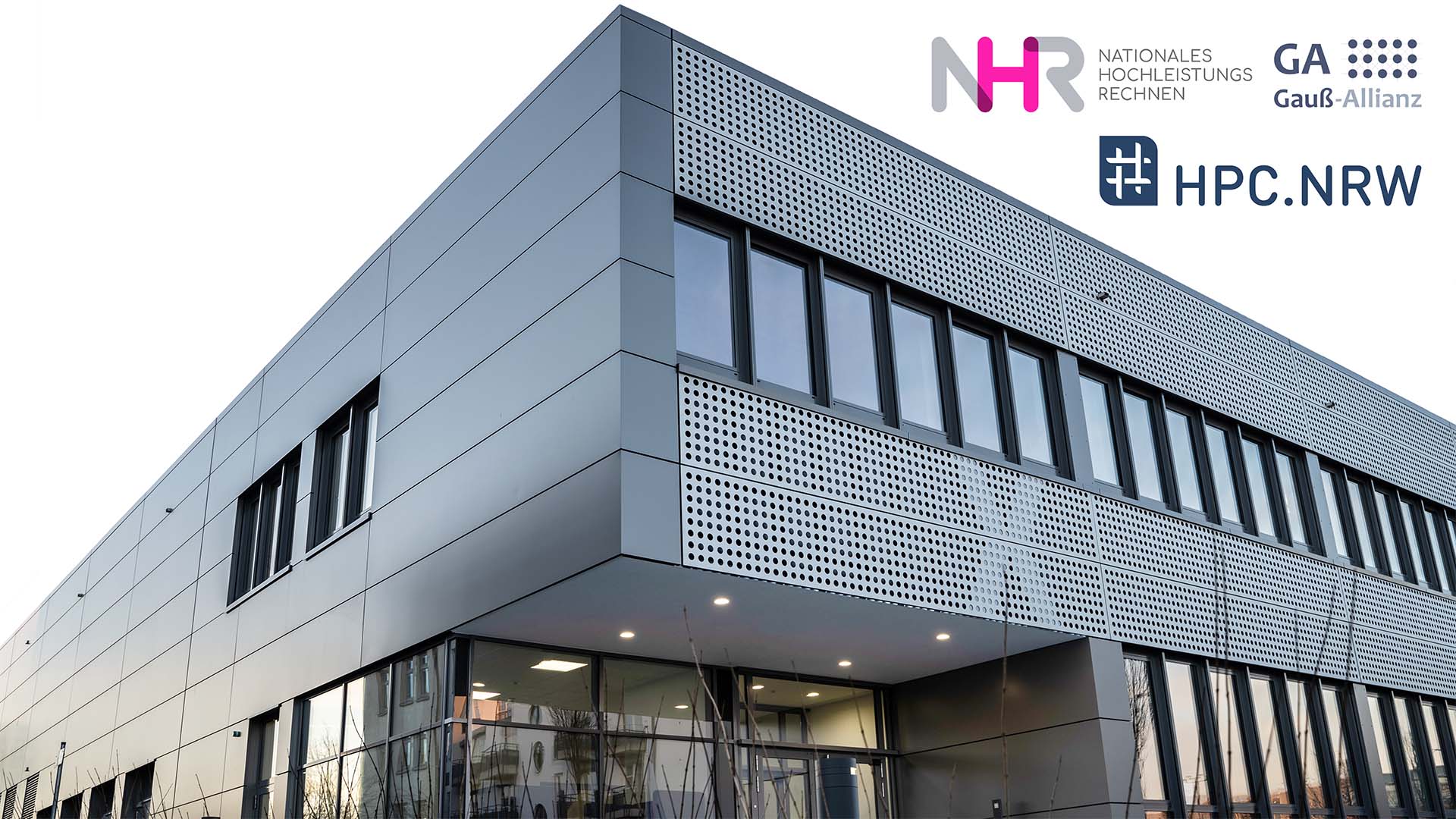
Paderborn Center for Parallel Computing
Welcome to the Paderborn Center for Parallel Computing (PC2). We are a central scientific institute of Paderborn University with the mission to advance interdisciplinary research in parallel computing and computational sciences with novel methods and innovative computer systems. As a National High-Performance Computing Center we provide HPC infrastructure and services for academic users. We are members of the national HPC association NHR, Gauß Alliance, and the regional HPC.NRW competence network of North Rhine-Westphalia.
News


Events
Systems, Services and Infrastructure
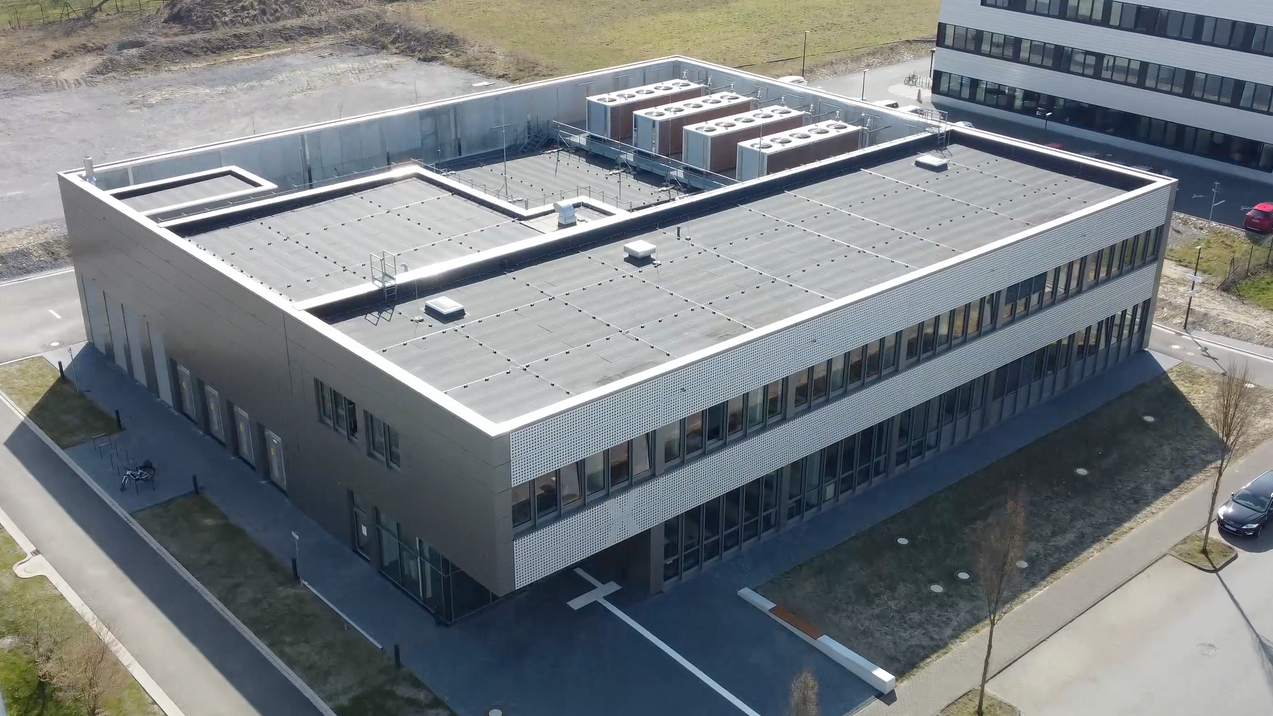
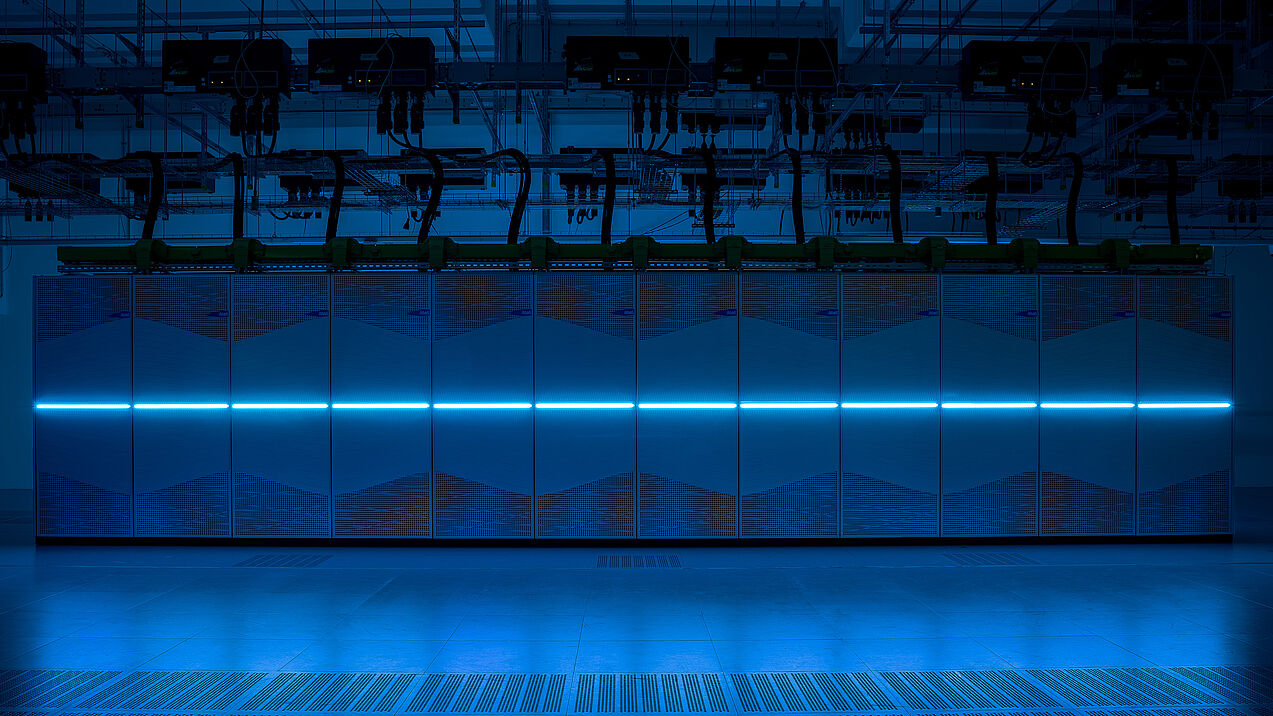
We operate multiple, HPC systems (x86-Linux clusters) with high-bandwidth interconnect, parallel file systems, and persistent storage systems. Our current main HPC systems are Noctua 2 (Atos/Bull Sequana XH2000) and Otus (Lenovo) that provide more than 280,000 CPU cores, 270 GPUs, 80 FPGAs, high-speed parallel file systems, and multiple PB for storage and archival of research data. The systems can be accessed using traditional remote SSH access with workload management for batch operation but we also offer access via JupyterHub for interactive use and explorative data analysis. Our modern HPC data center facility is specifically tailored to reliable operating HPC systems while achieving the highest level of energy efficiency and sustainability.
System Access
Our services are available to any researcher from a Germany university. For collaborations in our scientific and technological focus areas we also provide access to selected international researchers. Access is granted based on the submission and peer review of a project proposal that describes the planned research and computing resource demands. Smaller scale projects are evaluate on a rolling basis with short turnaround times. Larger scale projects are evaluated as part of the nation-wide joint resource allocation process by the NHR association. On a positive evaluation, access is provided free of charge.
Support and Consulting
Our documentation offers extensive guidance on using the HPC infrastructure, with email support and expert advice available for additional assistance.
Training
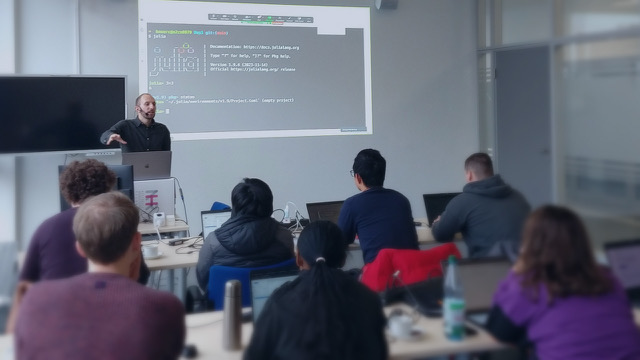
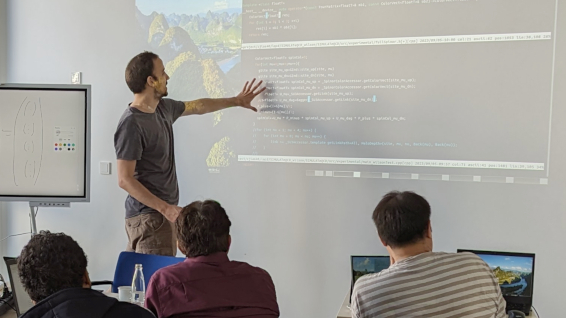
We accompany and support our users in all phases of their computational research projects, from the submission of the computing time request, to the effective use of scientific software, the automation of workflows and the archiving of research data. Our regularly offered training program ranges from basic courses on the use of HPC systems to advanced techniques of optimization for parallel programs for software developers. In addition, we offer comprehensive documentation, email support and regular consultation hours.
To specifically support researchers in the focus areas of our center, we offer in-depth, topic-specific workshops, summer schools and hackathons. Selected research projects are also supported by intensive support within the framework of collaborations, for example to develop improved methods together with users or to explore new technologies.
Research
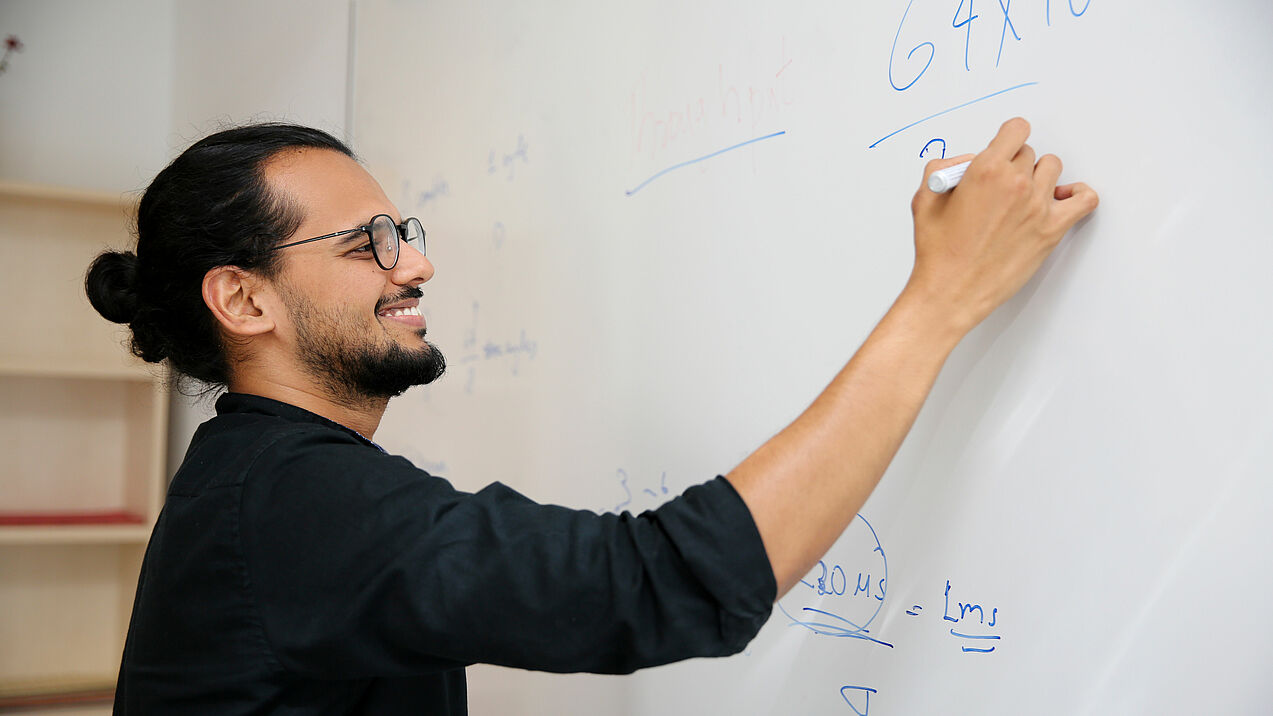
Our infrastructure is available for research in all application areas. To provide in-depth support and scientific expertise in selected domains, we have specialized in atomistic simulations in solid state physics and chemistry. In these areas we also contribute to the development of new, highly scalable simulation methods and implement them in open source software and libraries. Our technological focus is on massively parallel and particularly energy-efficient HPC using hardware accelerators based on FPGA and GPU.
→ Learn more about our research and the results of our users
Teaching
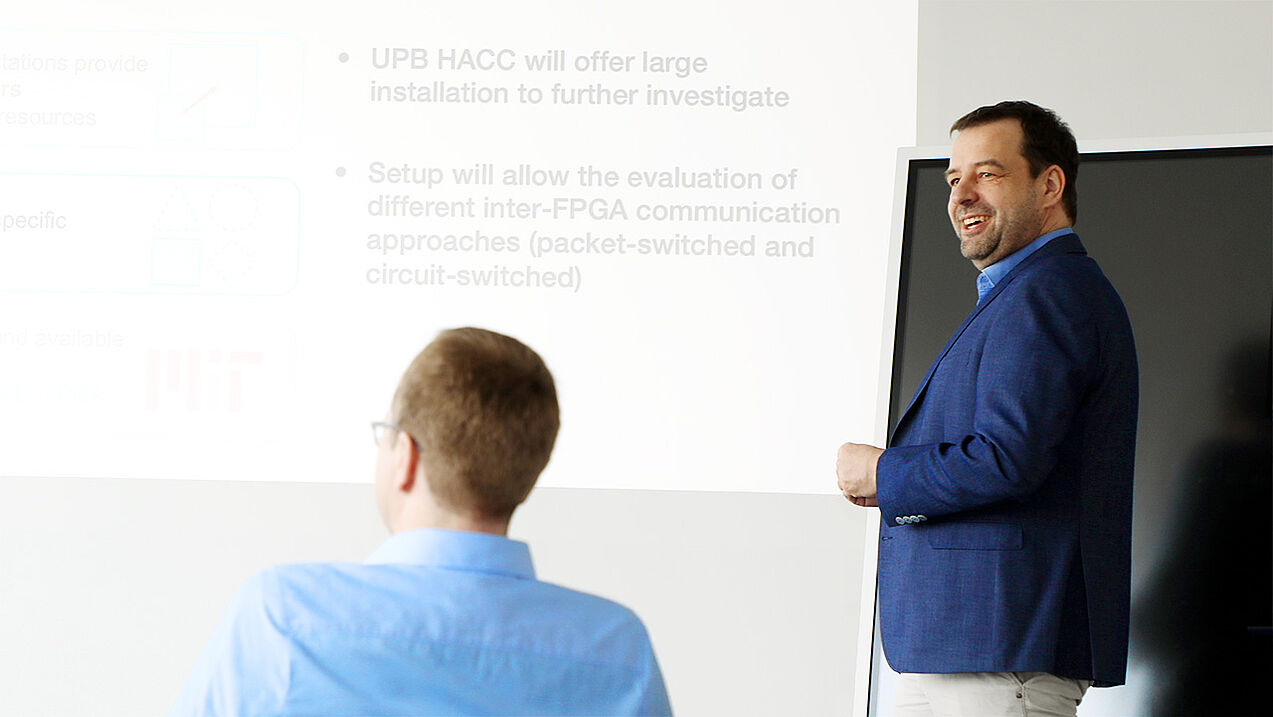
The broad application of computer-aided methods and the combination of model- and data-driven processes for modeling, simulation and analysis in scientific applications can be found in numerous departments of the university. We support these activities in teaching with our infrastructure and also contribute to the range of courses and further qualification opportunities, especially for young scientists.
Contact
Paderborn Center for Parallel Computing (PC2)
Mersinweg 5
33100 Paderborn